Conditions › Acne Treatment Options
Acne Treatment Options in London
Acne treatment works best when it is matched to your pattern, skin type, triggers and lifestyle. At Skinhorizon Clinic in Maida Vale, we build clear, consultant-led acne plans for teenage, adult, hormonal, inflammatory, cystic or treatment-resistant acne.
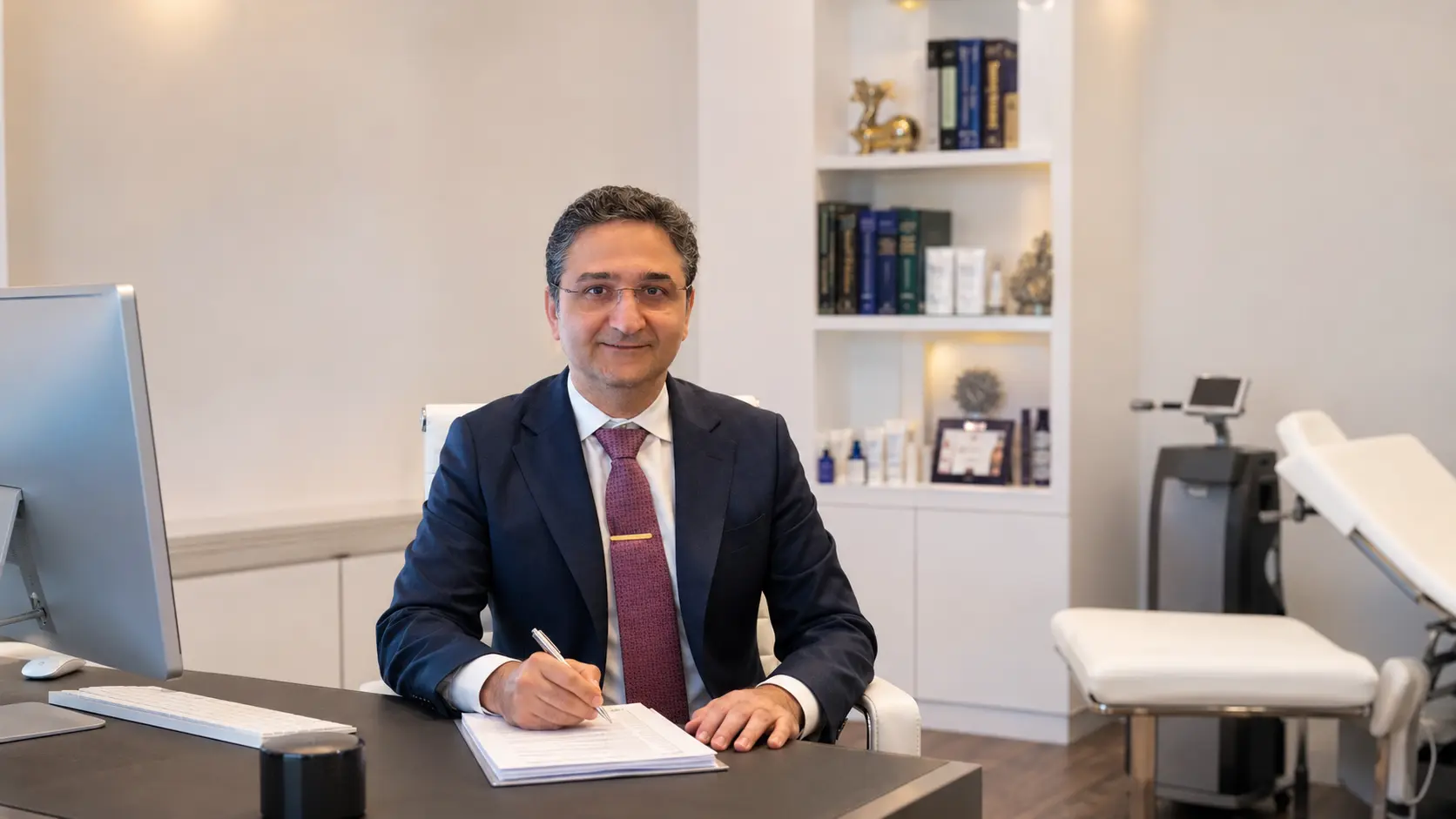
Reviewed by Dr Mohammad Ghazavi, Consultant Dermatologist. CQC-registered clinic
Private dermatology care in Maida Vale, London. Stepwise plans
Medical skincare, tablets, procedures and maintenance where suitable. Central London access
Convenient for St John’s Wood, Paddington and West London.
What is the best acne treatment?
The best acne treatment depends on the type of acne. Blackheads and whiteheads often need retinoids; inflamed acne may need benzoyl peroxide, azelaic acid or short targeted oral treatment; hormonal acne may need hormonal options; severe or scarring acne may need isotretinoin. A dermatologist-led plan prevents undertreatment, irritation and scarring.
Acne treatment at a glance
| What is Acne Treatment? | A personalised acne plan using medical skincare, targeted tablets where needed and evidence-based procedures to reduce spots, prevent scars and maintain clearer skin. |
|---|---|
| Who is Acne Treatment for? | Teenagers and adults with comedonal, inflammatory, hormonal, cystic or resistant acne, including sensitive skin and skin of colour. |
| Why Acne Treatment matters? | Early correct treatment reduces the risk of acne scars, persistent marks and repeated flare cycles. |
| How we plan Acne Treatment? | Assess pattern and triggers, start the right actives, add tablets selectively, consider procedures, then maintain results with a simple routine. |
| Treatment options for Acne Treatment | Retinoids, benzoyl peroxide, azelaic acid, short antibiotics, hormonal options, isotretinoin, peels, microneedling, intralesional therapy and scar prevention. |
| Appointments | 7 days a week (subject to availability). |
How we choose the right acne treatment
Effective acne care is not one-size-fits-all. We start by identifying your dominant pattern: comedonal acne, inflammatory papules and pustules, hormonal jawline acne or deeper nodulocystic lesions.
We then match treatment to your skin type, tolerance and lifestyle, with realistic timelines. Most topical programmes need 6–12 weeks, while tablets and selected procedures may help settle inflammation faster.
Core medical skincare
Retinoids
Topical retinoids normalise shedding inside pores and are key for blackheads, whiteheads and long-term prevention.
Benzoyl peroxide
Benzoyl peroxide reduces acne bacteria without fostering resistance and is useful for inflamed spots.
Azelaic acid
Azelaic acid calms redness, supports clogged pores and helps with post-inflammatory marks.
Supportive skincare
A non-comedogenic moisturiser and daily SPF protect the skin barrier and reduce irritation. Heavy oils and harsh scrubs usually make acne harder to control.
Explore personalised acne treatment in Maida Vale
We create tailored plans for mild, moderate, hormonal, cystic or resistant acne using medical and advanced therapies where appropriate.
Oral medicines: when and why
Antibiotics
Short courses can settle inflamed flares, but they are not a cure. We use antibiotics selectively, pair them with benzoyl peroxide and avoid unnecessary long courses.
Hormonal options
Where jawline or cyclical flares suggest a hormonal driver, hormonal approaches may help. Suitability is discussed carefully based on medical history and preference.
Isotretinoin
For severe, scarring or relapsing acne, isotretinoin may be considered. It requires structured monitoring and specific safety measures, and it is not used during pregnancy.
Procedures that may support results
Comedone extraction
Professional extraction can clear stubborn blackheads and whiteheads as part of a broader medical plan.
Intralesional therapy
Targeted injections can rapidly flatten selected painful nodules that threaten to scar.
Chemical peels
Light peels can support texture, clogged pores and marks once inflammation is controlled.
Photodynamic therapy and LED
Selected acne patterns may benefit from photodynamic therapy or LED phototherapy.
Microneedling and texture support
Microneedling and energy-based devices are usually reserved for acne scar treatment once active acne is controlled.
Acne in special situations
Pregnancy and breastfeeding
Some acne medicines are avoided, including retinoids. We adapt plans to prioritise safety and comfort.
Skin of colour
Pigment-aware treatment helps reduce post-inflammatory hyperpigmentation and irritation.
Athletes and occlusion
Heat, sweat, helmets, straps and tight clothing can aggravate acne or trigger folliculitis.
Preventing scars and marks
Scarring risk rises with deeper inflammation, delayed treatment and squeezing or picking. Early control of nodules, consistent skincare and prompt review of flares can reduce permanent texture change.
For persistent redness, pigmentation or texture after inflammation settles, staged options may include hyperpigmentation treatment or acne scar procedures.
What results to expect
Most topical plans show noticeable change by 6–12 weeks. Oral medicines and procedures can accelerate control of inflammation, while maintenance prevents relapse.
We agree practical milestones at the outset, such as fewer new spots by week six, clearer texture by month three and gradual fading of marks over subsequent months.
Side-effects and how we minimise them
Dryness and flaking
Expected early with retinoids. We adjust frequency and build barrier support.
Sun sensitivity
Daily SPF and avoiding sunbeds are important during active treatment.
Antibiotic stewardship
Antibiotics are used sparingly and time-limited to reduce resistance and microbiome disruption.
Everyday habits that help
Cleanse gently
Cleanse morning and night, and after sport where practical.
Keep routines simple
Consistency is more effective than frequent product changes or harsh routines.
Avoid picking
Hands-off habits reduce inflammation, pigmentation and scarring risk.
Why choose Skinhorizon Clinic?
Consultant dermatologist-led care
Your acne plan is reviewed by Dr Mohammad Ghazavi, Consultant Dermatologist, with focus on diagnosis, safe escalation and long-term prevention.
CQC-registered private clinic
Skinhorizon Clinic provides private dermatology care in Maida Vale, London, convenient for St John’s Wood, Paddington, West London and Central London.
Clear written plans
You receive practical instructions, realistic timelines and review points so your treatment is structured, understandable and sustainable.
Your first visit — what to expect
Assessment
Review acne type, distribution, triggers, skincare and previous treatments.
Plan
Create a stepwise programme matched to your skin and routine.
Education
Explain how to layer products and what to expect week by week.
Follow-up
Review response, adjust treatment and build maintenance.
Frequently asked questions
How long before I see results?
Do I need antibiotics?
When is isotretinoin considered?
Is treatment safe for darker skin tones?
Can I treat marks and scars at the same time?
What if my skin is very sensitive?
Will I need long-term treatment?
Take the first step towards clearer skin
A personalised acne treatment plan can help calm breakouts, prevent scars and support long-term skin confidence.
Skinhorizon Clinic, 4 Clarendon Terrace, Maida Vale, London W9 1BZ
Last reviewed: