Acne Scar Treatment in London
Acne scars are long-term textural changes left by previous breakouts, ranging from ice-pick pits to rolling, boxcar or raised scars. At Skinhorizon Clinic in Maida Vale, we assess scar type, depth, skin tone and active acne before designing a staged plan for smoother, more even-looking skin.
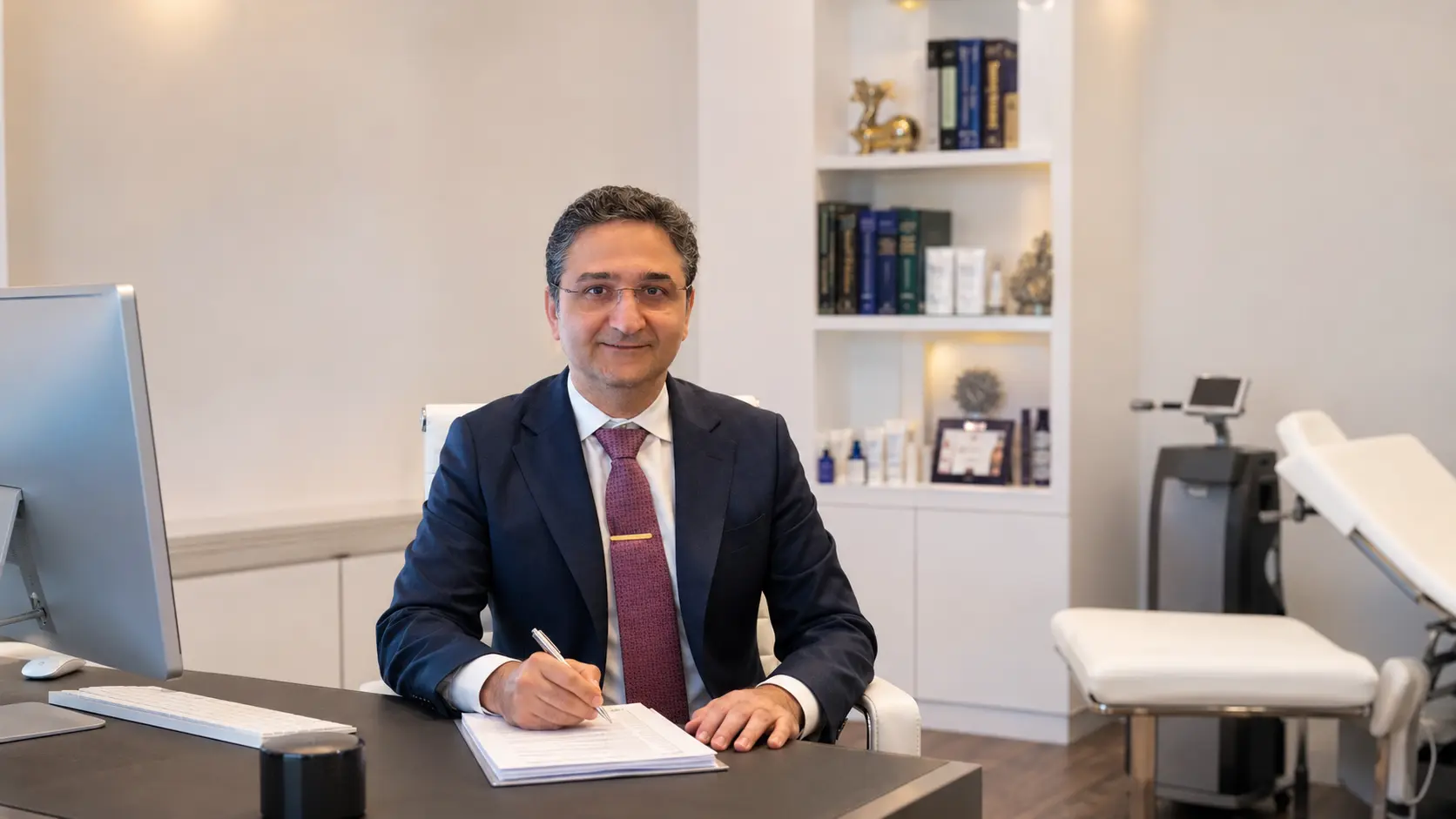
Reviewed by Dr Mohammad Ghazavi, Consultant Dermatologist. CQC-registered clinic
Private dermatology care in Maida Vale, London. Combination plans
Subcision, TCA CROSS, microneedling, lasers and peels where suitable. Central London access
Convenient for St John’s Wood, Paddington and West London.
Can acne scars be improved?
Yes. Acne scars cannot usually be erased completely, but modern combination treatments can produce meaningful improvement in texture, shadowing and skin smoothness. The best treatment depends on scar type: ice-pick, boxcar, rolling, hypertrophic or keloid scars each need a different approach.
Acne scars at a glance
| What are acne scars? | Long-standing textural changes after acne, including depressed scars such as ice-pick, boxcar and rolling scars, or raised hypertrophic and keloid scars. |
|---|---|
| Key signs of Acne Scar | Pits, dips, shadowing, tethered areas, firm raised scars, lingering redness or dark marks. |
| Who gets Acne Scars? | Anyone with past inflammatory, cystic or picked acne. Risk increases with delayed acne treatment and recurrent inflammation. |
| Why treatment of Acne Scars matters | Correct scar classification allows targeted treatment and realistic improvement in texture and light reflection. |
| Treatment options for Acne Scar | Acne scar treatment may include microneedling, RF microneedling, subcision, TCA CROSS, chemical peels, fractional laser, fillers and steroid or silicone therapy for raised scars. |
| Appointments | 7 days a week (subject to availability). |
Understanding acne scars
Acne scars are the longer-term footprints left by inflammation in the skin. When a deep spot or cyst damages collagen and elastin, the repair process may rebuild support unevenly.
If too little support is rebuilt, the surface sinks and creates depressed scars. If too much collagen forms, especially on the chest, shoulders or jawline, raised scars can develop. Redness and pigmentation may also make scars appear more visible, although these marks are treated differently from true textural scarring.
Types of acne scars
Ice-pick scars
Small, narrow and deep scars that taper downwards. They often need targeted treatments such as TCA CROSS.
Boxcar scars
Round or oval depressions with sharper edges, commonly affecting the cheeks or temples.
Rolling scars
Soft, undulating depressions caused by deeper tethering beneath the skin surface.
Hypertrophic and keloid scars
Raised scars caused by excess collagen. They may be itchy, tender or firm and often need steroid or silicone-based care.
Redness and dark marks
Post-inflammatory redness and pigmentation are not true scars, but can make acne scarring appear more visible.
Start with precise scar classification
The right treatment depends on whether scars are ice-pick, boxcar, rolling, tethered, raised or mainly pigment-related.
Assessment at Skinhorizon Clinic
Every scar pattern is unique. During consultation we assess scars under natural and angled light, map their type and depth, and feel for tethering. We also look for ongoing acne activity because active breakouts should be controlled first.
We discuss downtime tolerance, skin tone, treatment goals and previous procedures, then create a staged plan. Photography may be used to help compare progress over time.
Acne scar treatment options
Subcision
Used for rolling or tethered scars. A fine instrument releases fibrous bands pulling the skin surface down.
TCA CROSS
A focused chemical technique used for ice-pick and selected boxcar scars to encourage collagen remodelling from the base upwards.
Microneedling and RF microneedling
Stimulates collagen and can improve rolling and shallow boxcar scars over a series of sessions.
Fractional laser resurfacing
Fractional CO₂ laser can refine texture and is often timed after deeper structural work.
Chemical peels
Useful for superficial irregularity, dullness and pigmentation support, especially as part of a layered plan.
Fillers and raised scar care
Fillers may lift selected depressed scars. Raised scars may need steroid injections and silicone therapy.
Why combinations work best
No single treatment corrects every scar type. The best results usually come from combinations scheduled over months: releasing tethers, stimulating collagen, refining the surface and managing colour change.
We prioritise safety and predictability, especially in deeper skin tones where post-treatment pigmentation must be minimised with careful preparation and aftercare.
Skin of colour and sensitive skin
In Fitzpatrick IV–VI skin tones, the priority is effective remodelling while protecting against post-inflammatory hyperpigmentation. We may prepare the skin beforehand, choose conservative settings and extend intervals between sessions when needed.
If pigmentation is prominent, your plan may include hyperpigmentation treatment or pigment-safe topical care alongside scar remodelling.
How many sessions will I need?
Most patients need a programme rather than one procedure. Many complete 3–6 sessions over several months, often combining treatments such as subcision, microneedling, TCA CROSS or laser resurfacing.
Improvements accumulate gradually. Early stages may reduce tethering and shadowing; later stages refine the surface and even the tone.
Downtime, comfort and safety
Expected downtime
Redness and mild swelling are common for 24–72 hours. Deeper peels or lasers may need longer recovery.
Comfort measures
Numbing methods are used where appropriate to keep procedures more comfortable.
Aftercare
Clear aftercare supports barrier repair and helps reduce pigmentation risk.
At-home support and prevention
Control active acne
Ongoing acne control reduces the risk of new scars forming.
Use daily SPF
Broad-spectrum sunscreen helps prevent darkening of marks and supports even healing.
Avoid picking
Picking and squeezing increase inflammation, marks and scarring risk.
Realistic results
Modern combinations can deliver meaningful, visible improvements in smoothness, light reflection and confidence. Scars usually improve gradually rather than disappear completely.
We will be transparent about what each scar type is likely to achieve and build a plan that fits your calendar, downtime tolerance and comfort level.
Why choose Skinhorizon Clinic?
Consultant dermatologist-led care
Your scar plan is reviewed by Dr Mohammad Ghazavi, Consultant Dermatologist, with a focus on accurate classification and safe treatment sequencing.
CQC-registered private clinic
Skinhorizon Clinic provides private dermatology care in Maida Vale, London, convenient for St John’s Wood, Paddington, West London and Central London.
Staged, personalised programmes
We combine treatments thoughtfully, pace procedures safely and adjust for skin tone, downtime and active acne risk.
Your first visit — what to expect
Assessment
Map scar type, depth and tethering under angled light.
Acne control
Check for active breakouts and prevent new scars forming.
Plan
Agree a staged combination matched to scar type and skin tone.
Treatment
Use comfort measures and clear aftercare for each session.
Review
Track progress and refine the sequence as your skin improves.
Dr Mohammad Ghazavi
Consultant Dermatologist
Skinhorizon Clinic, 4 Clarendon Terrace, Maida Vale, London W9 1BZ.
Last reviewed:
Frequently asked questions
Can acne scars really be improved?
How many sessions will I need?
Is acne scar treatment safe for darker skin tones?
Do I need to clear active acne first?
What downtime should I expect?
Will fillers help acne scars?
What about raised acne scars?
Take the first step towards smoother skin
A personalised acne scar plan can help improve texture, shadowing and confidence with safe, staged treatment.