Acne Excoriée Treatment in London
Acne excoriée, also called excoriated acne, happens when acne spots are repeatedly picked, scratched or squeezed, causing open sores, scabs, marks and delayed healing. At Skinhorizon Clinic in Maida Vale, we use a calm, non-judgemental, consultant-led approach to treat active acne, protect the skin barrier and reduce the picking cycle.
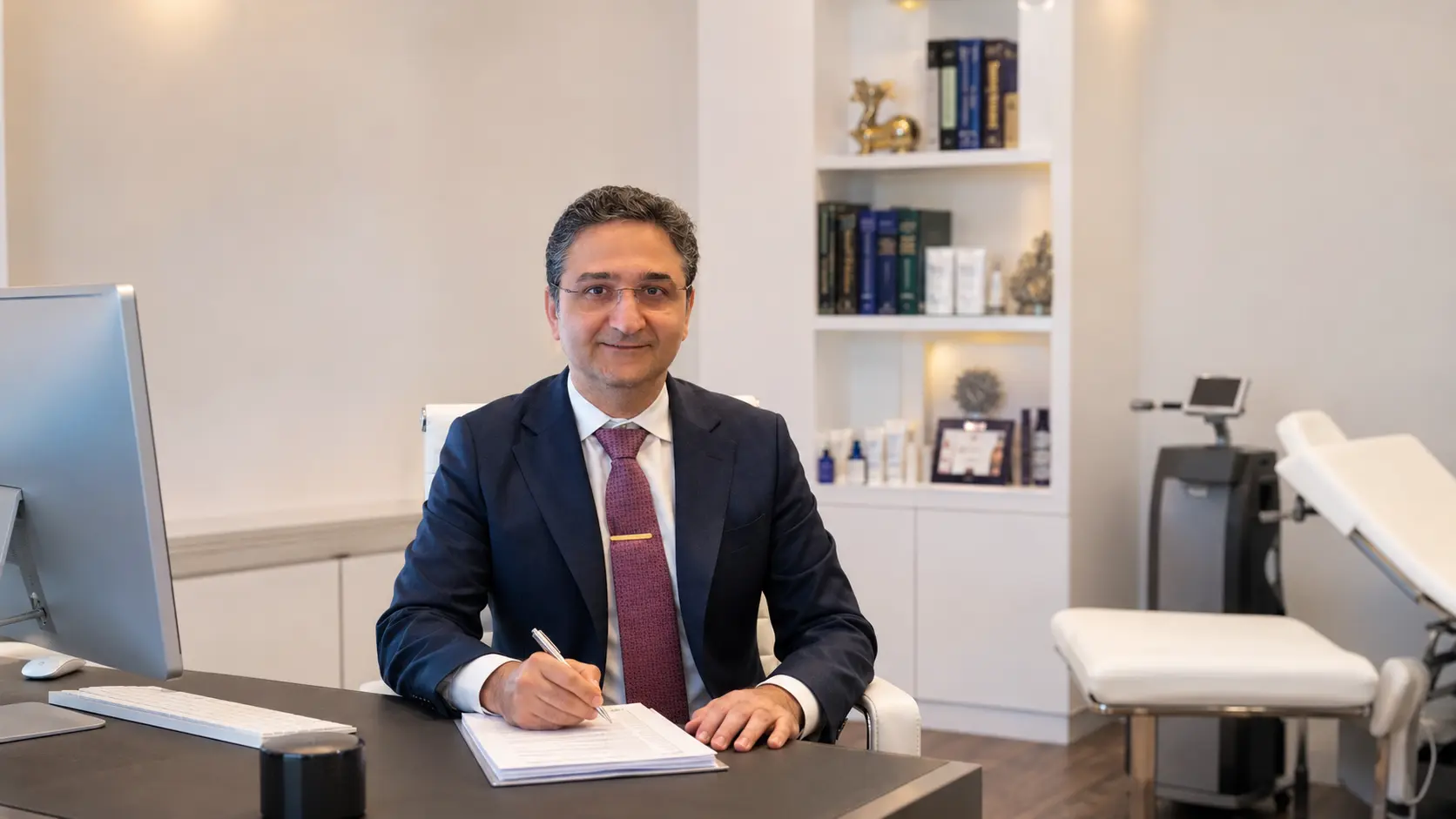
Reviewed by Dr Mohammad Ghazavi, Consultant Dermatologist. CQC-registered clinic
Private dermatology care in Maida Vale, London. Non-judgemental care
Acne control, wound healing and picking triggers considered together. Central London access
Convenient for St John’s Wood, Paddington and West London.
What is acne excoriée?
Acne excoriée is acne that has been repeatedly picked, scratched or squeezed. This creates broken skin, scabs, delayed healing, post-inflammatory marks and a higher risk of scarring or infection. Treatment works best when active acne, wound care and picking triggers are addressed together.
Acne excoriée at a glance
| What is Acne Excoriée? | A form of acne where spots are habitually picked or squeezed, causing erosions, scabs, delayed healing, marks and scarring risk. |
|---|---|
| Key signs of Acne Excoriée | Scratch marks, crusts, red or brown post-inflammatory marks, lesions at different healing stages and possible infection from broken skin. |
| Who gets Acne Excoriée? | Teenagers and adults. It may coexist with stress, anxiety, perfectionism, body-focused habits or mirror-checking patterns. |
| Why Acne Excoriée matters | Picking drives inflammation, delays healing, increases pigmentation and raises the risk of acne scarring. |
| Treatment options for Acne Excoriée | Gentle acne control, wound-friendly care, scar prevention, habit-reversal strategies, stress support and relapse planning. |
| Appointments | 7 days a week (subject to availability). |
Understanding acne excoriée
Acne excoriée describes acne that has been excoriated — picked, scratched or squeezed — leading to open sores, scabs, delayed healing and visible marks. Many people pick automatically when anxious, stressed, bored or focused in front of a mirror.
This condition is common but often under-discussed. The picking behaviour becomes part of the acne cycle, creating more inflammation and a longer route to clear skin. A calm, practical plan can help the skin heal while reducing the triggers that drive picking.
How acne excoriée develops
Most people start with ordinary acne lesions such as blackheads, whiteheads or inflamed spots. Picking breaks the skin surface and creates a raw area. The body forms a protective scab, which may then feel rough or tempting to remove. If the scab is picked again, the wound reopens and healing is delayed.
Each cycle increases the risk of redness, post-inflammatory hyperpigmentation, infection and acne scarring. Because the skin barrier is broken, bacteria can enter more easily and may cause secondary infection.
Typical signs and patterns
Excoriations and scabs
Small sores, crusts and scratch marks often appear at different stages of healing.
Marks and pigmentation
Red marks or darker post-inflammatory pigmentation may last longer than the original spot.
Secondary infection
Increasing pain, warmth, honey-coloured crusts or pus may suggest infection and needs review.
Emotional impact
Many patients feel embarrassed or frustrated by picking. The aim is not blame; it is to understand triggers and create a plan that is realistic and supportive.
Break the acne picking cycle with expert support
We treat active acne, protect healing skin and help reduce picking triggers with a sensitive, consultant-led plan.
Assessment at your visit
Your clinician will map which lesions are primary acne and which are secondary to picking. We discuss when picking happens, what feelings precede it, and which tools or situations make it worse, such as magnifying mirrors, bright task lighting, tweezers or nail edges.
You will not be blamed. The aim is to understand your pattern so we can build a plan that is kind, realistic and effective. If infection is suspected, we may consider a skin swab test or fungal testing where clinically indicated.
Our treatment approach
Gentle acne control
We use well-tolerated acne treatments introduced gradually, such as retinoid-based protocols, benzoyl peroxide or azelaic acid where appropriate. The aim is to reduce new lesions without irritating the skin barrier.
Wound-friendly healing
Broken skin needs calm, protective care. Bland moisturisers, selective hydrocolloid dressings and infection monitoring help support repair and reduce touching.
Behavioural support
Stimulus control, habit-reversal strategies and practical competing responses help reduce picking urges without judgement.
Scar and pigmentation prevention
Once inflammation is controlled, we may plan treatment for hyperpigmentation or acne scars where needed.
Practical strategies to reduce picking urges
Stimulus control
Remove magnifying mirrors, soften bathroom lighting and set a “normal distance” mirror rule.
Competing responses
Hold a cold compress, stress ball or sit on your hands for 60–90 seconds until the urge passes.
Barrier cues
Use hydrocolloid patches or dressings on high-risk areas during common picking times.
Routine resets
Anchor skincare to existing habits, such as after brushing teeth, to keep the routine simple.
Urge log
Briefly note the trigger, body site and alternative action tried. Small wins build momentum.
Stress support
Sleep, movement and calming strategies can reduce baseline tension and picking risk.
Skin of colour considerations
In medium to deep skin tones, post-inflammatory hyperpigmentation can last longer than the original spot. This makes hands-off healing and pigment-safe acne control especially important.
We prioritise sun protection, barrier repair, azelaic acid and carefully paced retinoids where appropriate. Any in-clinic procedures are selected cautiously to reduce the risk of further pigmentation.
Scar prevention and management
Repeated trauma increases the risk of pitted scars and, on the chest or back, raised scars. Early steps matter: avoid picking scabs, treat infection promptly and protect healing skin.
Later, texture-refining procedures can be considered once active picking is controlled. Relevant pathways include acne scar treatments and skin texture care.
Timelines and expectations
With a combined plan, the cycle often begins to improve within weeks: fewer new open areas, calmer skin and gradual fading of fresh marks. Colour change and texture improvement continue over months.
Setbacks can happen during stress. This is normal. We plan review points, refresh strategies and keep momentum going. The aim is steady, sustainable progress rather than perfection.
When to seek prompt help
Possible infection
Rapidly worsening pain, heat, swelling, honey-coloured crusting or pus needs review.
Deep painful lumps
Multiple tender lumps under the skin may need medical treatment to reduce scarring risk.
Picking feels out of control
If picking is causing significant distress, low mood or feels compulsive, extra support may be helpful.
Why choose Skinhorizon Clinic?
Consultant dermatologist-led care
Your care is reviewed by Dr Mohammad Ghazavi, Consultant Dermatologist, with a focus on active acne, healing skin and prevention of scarring.
CQC-registered private clinic
Skinhorizon Clinic provides private dermatology care in Maida Vale, London, convenient for St John’s Wood, Paddington, West London and Central London.
Respectful, practical support
Acne excoriée is treated without judgement. We combine dermatology, skin barrier repair, scar prevention and realistic behaviour-change strategies.
Your first visit — what to expect
Assessment
Map acne, excoriated lesions, marks and scarring risk.
Trigger review
Identify mirror, stress, evening, work or skincare triggers.
Plan
Gentle acne control, wound-friendly healing and behavioural tools.
Follow-up
Review progress, refine actives and adjust relapse strategies.
Dr Mohammad Ghazavi
Consultant Dermatologist
Skinhorizon Clinic, 4 Clarendon Terrace, Maida Vale, London W9 1BZ.
Last reviewed:
Frequently asked questions
Is acne excoriée just a “bad habit”?
Will squeezing spots speed up healing?
How do I stop picking?
How long until marks fade?
Can I use hydrocolloid patches?
Is acne excoriée seen in darker skin tones?
What if I relapse during stress?
Take the first step towards calmer skin
A personalised plan can help calm acne, protect healing skin and reduce picking urges without judgement.