



Rosacea in London — A Practical Guide to Calming Redness & Flare Control
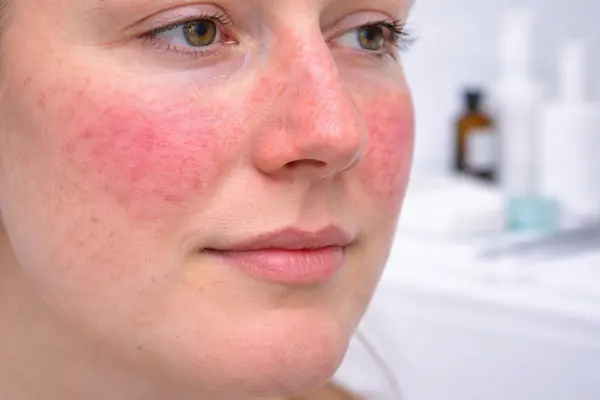
Facial flushing, visible vessels and acne‑like bumps are the hallmarks of rosacea. While there isn’t a one‑size‑fits‑all cure, a structured plan that restores the skin barrier, reduces triggers and—when needed—uses clinic‑grade light therapies can make symptoms far more predictable. At Skinhorizon Clinic in Maida Vale, our consultant dermatologist builds phased plans that may include GME Photodynamic Therapy (PDT), LED phototherapy, cautious microneedling once stable, and optional exosome therapy.
Considering a consultant review for persistent redness?
Explore our in‑clinic pathway for rosacea management and device options in Central London.
View our clinic pathway Book consultationRecognising symptoms & subtypes
Rosacea typically presents as facial flushing, persistent central facial redness, telangiectasia (fine vessels) and papules/pustules that resemble acne but without blackheads. Stinging and sensitivity are common. Most patients fall into two patterns that can overlap:
- Erythematotelangiectatic: Flushing, background redness, visible vessels; skin often stings or burns, especially with heat or potent actives.
- Papulopustular: Red bumps and pustules on a background of sensitivity; often flares with stress, heat, spicy food, alcohol or intense exercise.
Eye symptoms? Dry, gritty or red eyes may indicate ocular rosacea—flag this at consultation for coordinated care.
Rosacea can wax and wane. Many patients notice “good skin” windows after holidays or quieter weeks, then abrupt relapses with stress, office heating or a new product. That lability is why we advocate phased plans and small, reversible steps instead of radical skincare overhauls.
Common triggers in city living
Triggers aren’t identical for everyone, but London life brings recognisable patterns. Keep a simple notes app log for two weeks—often three culprits emerge quickly:
- Temperature swings: Going from crowded, heated transport into cold air; hot yoga/saunas; long steamy showers.
- Food & drink: Red wine and spirits, very spicy food, and rapid large caffeine hits (double espresso on an empty stomach).
- Stress & workouts: High‑intensity intervals without cool‑down; presentation nerves; poor sleep.
- Skincare friction: Harsh scrubs, strong acids/retinoids started too fast, fragranced products, rough towels.
- Sun & wind: Blustery Thames paths or rooftop venues without SPF/hat strategy.
- Indoor micro‑climate: Office air‑con or radiator heat drying skin; desk fans blowing directly at the face.
- Cosmetics habits: Thick, occlusive bases; frequent makeup removal/re‑application causing friction.
- Masking & straps: Sports helmets/straps and tight face coverings creating local heat/pressure.
- Skincare stacking: Multiple new products at once—if you flare, it’s impossible to know the offender.
- Seasonal shifts: Spring pollen/wind; winter cold + radiators; summer heat waves and UV.
Barrier‑first daily routine
Rosacea‑prone skin thrives on consistency. Start simple, build slowly, and give each change two weeks before judging:
- AM Cleanse: Lukewarm water and a creamy, non‑fragranced cleanser. Pat dry—no rubbing.
- AM Moisturise: Ceramide‑rich, non‑occlusive lotion to reduce sting and improve resilience.
- AM SPF 30+: Broad spectrum. Reapply outdoors; wide‑brim hat > sunglasses alone.
- PM Cleanse: Gentle double cleanse when wearing sunscreen/makeup.
- PM Repair: Barrier cream. Introduce actives after calm is achieved and ideally under guidance.
- Less is more: Add one product at a time every 1–2 weeks.
- Pause strong actives during flares (retinoids, high‑% AHAs/BHAs). Re‑try later in micro‑doses if appropriate.
- Tool hygiene: Wash brushes/sponges weekly; avoid harsh cleansers that leave residue.
- Towel technique: Press to dry instead of wiping; microfibre can reduce friction.
Ingredients that help (and the ones to park)
Often helpful (when introduced slowly)
- Niacinamide (2–5%) — supports barrier and reduces redness look.
- Azelaic acid (10%) — anti‑inflammatory/anti‑redness; patch‑test and start alternate nights.
- Centella asiatica — soothing botanical for sting‑prone skin.
- Ceramides, cholesterol, fatty acids — barrier repair basics.
- Mineral SPF — zinc/titanium filters are often well tolerated.
Common irritants (park for later)
- High‑% AHAs/BHAs and daily strong peels.
- Fragrance/perfume, essential oil blends, menthol/eucalyptus.
- Scrubs and stiff cleansing brushes.
- Over‑rich occlusives trapping heat during a flare.
Patch‑testing: Trial a new product behind the ear or jawline for 3 nights. If comfortable, move to the cheeks. If you sting, step back for 5–7 days and re‑attempt more slowly.
Where PDT, LED & procedures fit
Devices are adjuncts to great basics. We layer them when redness or bumps keep breaking through a stable routine:
Photodynamic Therapy (PDT)
Clinic‑grade PDT can dampen inflammatory activity and reduce papules/pustules in selected cases. At Skinhorizon we use GME PDT within a structured plan—photosensitivity, medications and timing are reviewed first. A typical pathway includes careful skin prep, calibrated light exposure, and specific aftercare to protect against temporary light sensitivity.
LED Phototherapy
LED protocols help calm flushing and sensitivity with minimal downtime. We often start LED early because tolerability is excellent, then reassess after a short course to decide whether to maintain, pause, or layer other options.
Microneedling (once stable)
When background sensitivity is settled, cautious microneedling can refine texture and persistent post‑inflammatory redness using conservative parameters and generous intervals. It’s not a first‑aid fix for flares; consider it a polishing step once redness is under better control.
Exosome therapy (adjunct)
Some patients add exosome therapy to support recovery after procedures. We discuss suitability at review and only in the context of a calm baseline routine. It is an adjunct, not a replacement for fundamentals like barrier repair and UVA/UVB protection.
See how we structure in‑clinic care
Pathway, expectations and device combinations explained.
In‑clinic rosacea pathway Book consultationDoes rosacea affect skin of colour differently?
Yes—rosacea can be under‑recognised in darker skin tones because background redness is less obvious. Instead, patients may notice stinging, warmth, sensitivity, rough patches, or acne‑like bumps that don’t respond to typical acne routines. Post‑inflammatory hyperpigmentation (PIH) after flares can linger longer, which is frustrating and affects confidence. Our plans for skin of colour emphasise:
- Gentler starts: Low‑irritancy skincare, longer patch‑tests and slower titration of actives.
- Sun strategy: Daily SPF remains essential; mineral tints can reduce white cast.
- Procedural caution: We select parameters carefully for LED, PDT and microneedling to minimise PIH risk.
- Even‑tone maintenance: Barrier repair + gentle brightening (e.g., lower‑dose azelaic acid) when calm.
What patients often get wrong about rosacea
- “If it stings, it’s working.” Not with rosacea. Stinging usually means barrier stress and a higher chance of flares.
- “I need to cleanse multiple times daily.” Over‑cleansing strips lipids and worsens sensitivity. Twice daily is usually enough.
- “All acids are off‑limits.” They’re not universally banned—just poorly tolerated at high strength during active phases. Micro‑doses may be reintroduced later, slowly.
- “Devices will fix everything.” Devices help when fundamentals are right. Barrier + SPF + trigger plan remain the foundation.
- “It’s just cosmetic.” Rosacea impacts work, social life and self‑confidence. It merits a proper plan and support.
A London‑friendly seasonal strategy
Autumn–Winter
- Central heating dries skin—add a room humidifier and step up emollients.
- Switch to richer night creams if tightness appears; keep AM texture light under masks/scarves.
- Wind‑proof your cheeks with SPF + hat/scarf; SPF still matters in winter daylight.
Spring
- Pollens and wind can spike sensitivity—dial up soothing ingredients and avoid aggressive actives.
- Rehearse your “cool‑down” routine before outdoor events.
Summer
- Prioritise shade, hats and regular SPF top‑ups; avoid peak midday sun when possible.
- Keep a small fan/mist for transport and crowded venues.
How a consultant structures care
- History & triggers: Food, heat, alcohol, work/lifestyle. Identify “quick wins” and deal‑breakers (e.g., must wear makeup for work).
- Skin assessment: Baseline photos and digital analysis if helpful; subtype mapping; check for ocular features.
- Phase 1 — calm & protect: Barrier routine, SPF strategy, trigger plan, and product simplification.
- Phase 2 — device adjuncts: Start with LED; consider PDT for papules/pustules after assessment. Space sessions for tolerability.
- Phase 3 — refine: Microneedling and optional exosomes once stable; set realistic goals for texture and tone.
- Maintenance: Seasonal tweaks, a clear flare protocol, and sensible product swaps rather than overhauls.
Ready for tailored help?
See how our consultant pathway brings structure to flare‑prone skin in Central London.
See the clinic pathway Book consultationExtended FAQs
Is rosacea the same as acne?
No. Rosacea bumps sit on a background of flushing and sensitivity, and they lack blackheads. Management focuses on triggers, barrier repair and redness control—not the oil‑shrink approach often used in acne.
Will LED help with flushing?
Many patients find clinic‑grade LED soothing with minimal downtime. We usually combine it with a barrier plan for best effect and reassess after a short course.
When would you consider PDT?
PDT may be considered for persistent inflammatory bumps on a sensitive background. Photosensitivity risks, medications and recovery windows are discussed first.
Can I use retinoids with rosacea?
Sometimes—introduced very slowly and only once skin is calm. We often start with barrier repair and niacinamide, then trial micro‑doses with long spacing if appropriate.
Do you treat visible vessels?
Yes. For visible vessels and diffuse redness, see our redness & vascular treatments pathway. Suitability depends on skin type and vessel pattern.
What about alcohol, coffee and diet?
Triggers vary by person. Rather than blanket bans, we help you test timing and portion strategies—e.g., smaller coffee with food, choosing lower‑congener drinks, spacing spicy meals with cooling sides.
How do I book with a consultant?
Use our in‑clinic rosacea pathway to learn what to expect, or book directly: consultation booking.