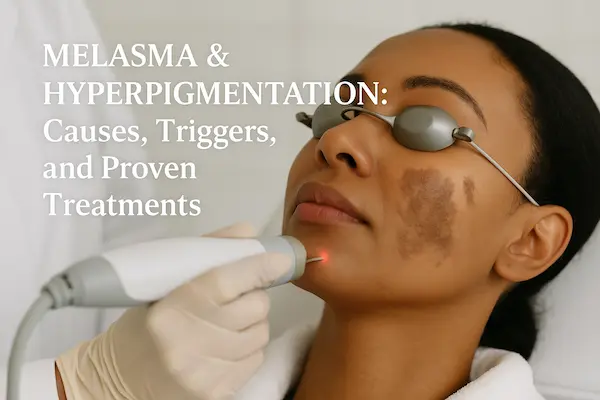
Melasma & Hyperpigmentation: Causes, Triggers, and Proven Treatments
Melasma and other forms of hyperpigmentation are among the most common skin concerns we treat at Skinhorizon Clinic. These conditions cause patches or spots of darker skin, which can be frustrating to manage and often affect confidence. Understanding the underlying causes and triggers is key to choosing an effective, lasting treatment plan.
What is Melasma?
Melasma is a chronic pigmentation disorder where brown or grey-brown patches appear on the skin, most commonly on the face. It occurs when melanocytes (pigment-producing cells) create too much melanin in certain areas. While it is harmless medically, it can have a significant cosmetic impact.
What is Hyperpigmentation?
Hyperpigmentation is a broader term for any skin condition where melanin production increases in certain areas, causing them to appear darker. It includes:
- Post-inflammatory hyperpigmentation (PIH) – dark marks after acne, injury, or inflammation.
- Sun-induced pigmentation – freckles, age spots, and solar lentigines caused by UV exposure.
- Melasma – hormonally influenced pigmentation.
Common Causes & Triggers
Melasma and hyperpigmentation can be triggered or worsened by several factors:
- Sun exposure – UV radiation stimulates melanin production.
- Hormonal changes – pregnancy, oral contraceptives, hormone therapy.
- Genetics – family history increases susceptibility.
- Heat and infrared light – including from hot climates and saunas.
- Skin irritation – from harsh products or treatments.
Proven Medical Treatments
While over-the-counter creams may help mild cases, lasting improvement usually requires professional-grade treatments tailored to the individual’s skin type and pigmentation pattern.
1. Prescription Topicals
These include hydroquinone, retinoids, azelaic acid, and combination creams that reduce melanin production and speed up skin turnover. They must be used under medical supervision to avoid side effects and rebound pigmentation.
2. Chemical Peels
Best for: Superficial pigmentation and overall brightening
Peels with glycolic acid, lactic acid, or trichloroacetic acid (TCA) exfoliate the skin and fade pigment gradually. For stubborn melasma, a course of gentle, low-strength peels is preferred to avoid irritation and worsening.
3. Q-Switched Laser
Best for: Stubborn sun spots, freckles, and pigment patches
Q-switched lasers deliver very short pulses of light that break down excess melanin without damaging surrounding tissue. This technology is highly effective for certain types of pigmentation but must be performed by experienced clinicians to avoid triggering further pigment in melasma patients.
4. Microneedling with Brightening Serums
Best for: Uneven tone and skin texture
Microneedling allows powerful brightening agents such as tranexamic acid, vitamin C, and niacinamide to penetrate deeper, improving skin tone and reducing pigmentation. It also stimulates collagen for overall skin rejuvenation.
5. Fractional CO2 Laser (Selective Use)
Best for: Post-inflammatory pigmentation with texture changes
While not a first-line treatment for melasma due to the risk of rebound pigmentation, fractional CO2 can be useful in carefully selected patients with mixed pigmentation and scarring, always under strict post-treatment sun protection protocols.
Why a Tailored Plan Works Best
Melasma and hyperpigmentation vary in depth, severity, and cause. Our clinicians use 3D skin analysis to map pigment distribution and determine whether it is epidermal (surface), dermal (deep), or mixed. This ensures that treatment is targeted and effective, avoiding unnecessary irritation.
Before & After: Real Patient Example

Prevention and Maintenance
Even after successful treatment, melasma can recur. Maintenance strategies include:
- Daily SPF 30+ and sun avoidance during peak hours.
- Gentle skincare routine avoiding harsh exfoliants.
- Seasonal top-up treatments as recommended by your dermatologist.
- Addressing hormonal triggers where possible, with medical guidance.
Frequently Asked Questions
Can melasma be cured permanently?
Melasma can be significantly improved but may recur, especially without strict sun protection and trigger avoidance.
Is laser safe for melasma?
Q-switched lasers can be used safely when tailored to the patient’s skin type and melasma pattern by an experienced dermatologist.
How long until I see results?
Most patients notice improvement within 6–12 weeks of starting a personalised treatment plan, with continued progress over several months.

Dr Ghazavi
Consultant Dermatologist & Laser Specialist at Skinhorizon Clinic, London. Expert in treating pigmentation disorders with advanced technology and personalised skincare.