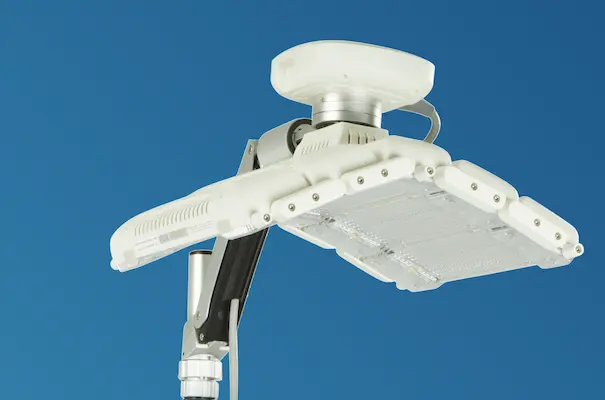
Advanced Photodynamic Therapy (PDT) with Ameluz: A Dermatologist’s Guide to Modern PDT Treatment
Photodynamic therapy (PDT) is one of the most powerful dermatology treatments available for managing acne, precancerous lesions, and certain forms of sun-damaged skin. When performed correctly using medical-grade photosensitisers such as Ameluz® (BF-200 ALA) and advanced PDT light systems, the treatment can dramatically improve skin health while also providing cosmetic benefits.
At Skinhorizon Clinic in London, we use a modern photodynamic therapy system combined with Ameluz to provide a more controlled and effective treatment compared with many traditional PDT protocols.
Many clinics in London still offer older, simplified PDT methods involving short illumination periods of approximately 5–10 minutes under LED light. While these treatments may provide some benefit, modern dermatology protocols aim to optimise photosensitiser penetration and light activation to achieve superior clinical outcomes.
In this guide, we explain:
- What photodynamic therapy is
- How Ameluz works
- How modern PDT systems differ from older protocols
- What conditions PDT can treat
- What patients can expect during treatment
Quick Summary
Photodynamic therapy (PDT) is an advanced dermatology treatment that combines a photosensitising medication such as Ameluz with a specific wavelength of light to destroy abnormal skin cells and reduce inflammation. It is commonly used to treat acne, actinic keratosis, sun damage, and certain early skin cancers. Modern PDT systems provide more controlled illumination and improved treatment outcomes compared with older short-duration LED protocols.
What Is Photodynamic Therapy (PDT)?
Photodynamic therapy is a dermatological treatment that combines a light-activated medication with a specific light source to selectively destroy abnormal or diseased skin cells.
The treatment involves three key components:
- A photosensitising medication
- A specific wavelength of light
- Oxygen within the skin tissue
When these three elements interact, a photochemical reaction occurs that destroys targeted cells while preserving surrounding healthy tissue.
PDT has been widely used in dermatology for conditions such as:
Clinical studies have shown that PDT can also improve skin texture and reduce inflammatory acne lesions. :contentReference[oaicite:0]{index=0}
What Is Ameluz and Why Is It Used in PDT?
Ameluz® is a topical medication containing 5-aminolevulinic acid (ALA) formulated as a nanoemulsion gel known as BF-200 ALA.
Once applied to the skin, the medication penetrates abnormal or rapidly dividing cells where it is converted into a light-sensitive compound called protoporphyrin IX.
When exposed to red light, this compound becomes activated and generates reactive oxygen species that destroy targeted cells. :contentReference[oaicite:1]{index=1}
The nanoemulsion formulation of Ameluz improves penetration into the skin compared with earlier ALA formulations, allowing more effective treatment of conditions such as:
- precancerous skin lesions
- sun-damaged skin
- inflammatory acne
How PDT with Ameluz Helps Treat Acne
Photodynamic therapy is particularly useful for patients with persistent inflammatory acne that does not respond well to topical treatments alone.
The treatment works through several mechanisms:
- Reducing sebaceous gland activity
- Destroying acne-causing bacteria
- Reducing inflammation
- Improving skin texture and pore appearance
Patients with comedonal acne and inflammatory acne may benefit from PDT as part of a comprehensive acne treatment plan.
At Skinhorizon Clinic, PDT is often combined with personalised dermatology treatments such as:
Struggling With Acne or Sun-Damaged Skin?
Photodynamic therapy can help treat persistent acne, precancerous skin lesions and sun-damaged skin. At Skinhorizon Clinic, our consultant dermatologist designs personalised treatment plans using advanced PDT technology and medical-grade skincare.
Book ConsultationModern PDT Systems vs Older Short-Light Protocols
Not all photodynamic therapy treatments are performed in the same way. Many clinics still use simplified PDT protocols involving short illumination periods of approximately 5–10 minutes under LED light.
While these protocols can activate the photosensitiser, modern dermatology practice aims to optimise three key factors:
- photosensitiser penetration
- controlled illumination intensity
- consistent energy delivery
Modern PDT systems provide more precise light delivery and improved patient comfort.
Older short-duration LED treatments may:
- provide less controlled illumination
- deliver inconsistent light energy
- produce variable clinical outcomes
In contrast, advanced PDT protocols using medical-grade systems provide more predictable activation of the photosensitiser and improved clinical results.
Conditions Treated with PDT in Dermatology
Photodynamic therapy is a versatile dermatology treatment used for both medical and cosmetic skin conditions.
Common indications include:
Because PDT treats an entire “field” of damaged skin rather than individual lesions, it is particularly effective for patients with widespread sun-damaged areas.
What Happens During a PDT Treatment Session?
A typical PDT session involves several stages.
1. Skin preparation
The skin is gently cleansed and prepared to enhance medication penetration.
2. Application of Ameluz
The Ameluz gel is applied to the treatment area and left to incubate for a specific period so the medication can accumulate in abnormal cells.
3. Light activation
The skin is then exposed to a specialised red-light PDT device which activates the photosensitiser and triggers the therapeutic reaction.
4. Post-treatment care
Patients are advised regarding sun protection and aftercare to support optimal healing.
Benefits of Photodynamic Therapy
Modern PDT protocols offer several advantages compared with many other dermatological treatments.
- non-invasive treatment
- minimal scarring risk
- treatment of large skin areas
- excellent cosmetic outcomes
- reduction of acne inflammation
Clinical research has shown clearance rates exceeding 90% for certain precancerous skin lesions when PDT is performed using modern photosensitisers and appropriate light sources. :contentReference[oaicite:2]{index=2}
Book a Photodynamic Therapy Consultation in London
If you have persistent acne, sun damage or precancerous skin lesions, photodynamic therapy may be an effective treatment option.
At Skinhorizon Clinic, our consultant dermatologist provides personalised PDT treatment plans using advanced technology and medical-grade photosensitisers such as Ameluz.
Book ConsultationFrequently Asked Questions
Is PDT painful?
Most patients experience a mild burning or tingling sensation during illumination, although modern PDT systems aim to reduce discomfort.
How many PDT sessions are needed?
Some conditions require one session, while others may require two or more treatments depending on severity.
How long is the recovery time?
Redness and mild swelling may occur for several days after treatment before the skin heals.
Medical Disclaimer
This article is for educational purposes and does not replace consultation with a qualified dermatologist. Treatment suitability varies between individuals and should be assessed by a medical professional.